







Search Results for: Bahia Coffee Beans
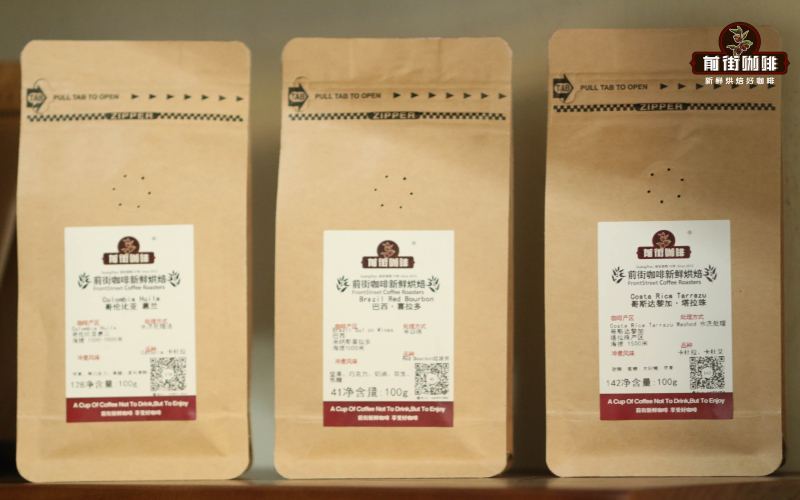
The Flavor Code of Brazilian Coffee Regions: Distribution Characteristics of Six Major Regions and Recommended Representative Brands
As the world's largest coffee producer, Brazil is known for its coffee beans with soft acidity and a smooth mouthfeel, making them ideal for those who are new to specialty coffee and not quite ready for pronounced acidity. Brazil has six major coffee-producing regions: Bahia, Espírito Santo, Minas Gerais, São Paulo, Paraná, and Rondônia. Each region, due to differences in altitude, climate, and cultivation methods, presents distinct flavor characteristics. Among them, the Cerrado region in Minas Gerais is the hallmark of Brazilian specialty coffee, and the Brazilian Red Bourbon daily-drinker beans selected by Front Street Coffee come from here. This article will go through the distribution, growing conditions, and flavor characteristics of the six major regions one by one, and introduce detailed information and brewing suggestions for Front Street's Brazil Cerrado Red Bourbon. [more…]
Brazil Cerrado Red Bourbon Coffee Bean Brewing Guide: A Full Analysis of Flavor Characteristics, Roast Profile, and Pour-Over Parameters
Brazil, as the world's largest coffee producer, is renowned for the premium quality of its Cerrado region in the central-west of Minas Gerais. Among Front Street Coffee's everyday beans lineup, the Brazil Cerrado Red Bourbon, with its classic flavors of roasted nuts, chocolate, cream, and caramel, has become an ideal choice for those who dislike acidity. This article provides a complete overview of the Cerrado region's terroir, the soft bean flavor grading system, and the characteristics of coffee-growing regions across various states, along with a detailed record of Front Street Coffee's roasting curve and Kono dripper pour-over recipe. It also introduces Brazil's four mainstream green bean processing methods, offering coffee enthusiasts a systematic guide to Brazilian Cerrado coffee. [more…]
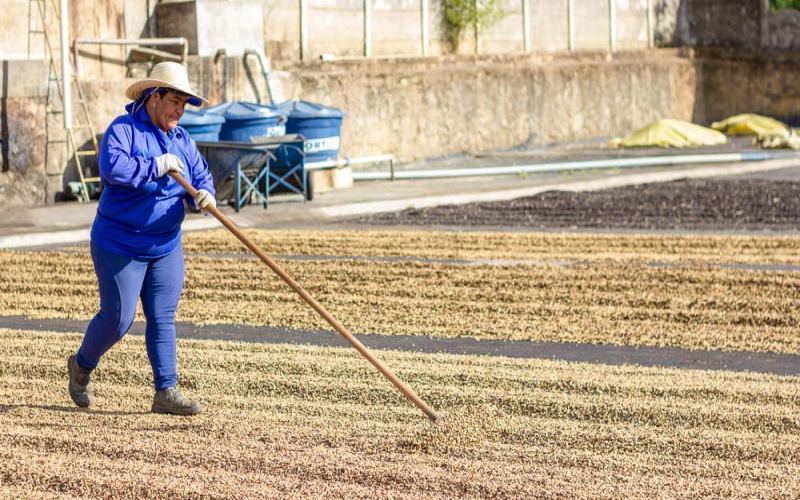
A Complete Guide to Brazil Cerrado Coffee: Flavor Analysis, Red Bourbon Roasting, and Brewing Log
Brazil, as the world's largest coffee producer, has fluctuations in any of its regions that ripple through the international coffee market. Among the many producing regions, the Cerrado in the central-west of Minas state, with its fertile soil and distinct wet and dry seasons, nurtures the "soft bean" flavor profile known for low acidity, nutty and chocolate sweetness, and full-bodied balance. The Brazil Cerrado Red Bourbon from Front Street Coffee's daily drinker series is a classic representation of this style—interweaving roasted nuts, chocolate, cream, and caramel, it suits those who dislike acidity and prefer a rounded mouthfeel. This article will systematically cover the terroir conditions of the Cerrado region, Brazil's coffee taste classification and main producing regions, and provide a complete record of Front Street Coffee's medium roast profile for this Red Bourbon, along with the Kono dripper segmented brewing method. Finally, it will explain in detail the process differences among Brazil's four processing methods—natural dry process, pulped, semi-washed, and washed—helping coffee enthusiasts fully understand the flavor logic of Brazilian coffee from origin to cup. [more…]
A Complete Analysis of Brazilian Coffee Regions, Flavors, and Bean Characteristics: Production, Origins, and Representative Varieties
Brazil is a major player in the global coffee landscape, with coffee farms found in half of its 26 states, but the main producing regions are concentrated in five states in the southeast: Bahia, Espírito Santo, Minas Gerais, Paraná, and São Paulo. Among them, Minas Gerais contributes nearly half of the country's total production and is further divided into four sub-regions with distinct terroir characteristics: Cerrado, Chapada, Matas, and Sul de Minas. Espírito Santo is an important stronghold for Robusta, São Paulo is home to premium producing areas such as the Port of Santos and Mogiana, Bahia has risen rapidly through high-tech cultivation, and northern Paraná focuses on Arabica. The following will examine each producing region one by one in terms of altitude, climate, representative varieties, and cup flavor, helping coffee enthusiasts build a systematic understanding of Brazilian coffee. [more…]
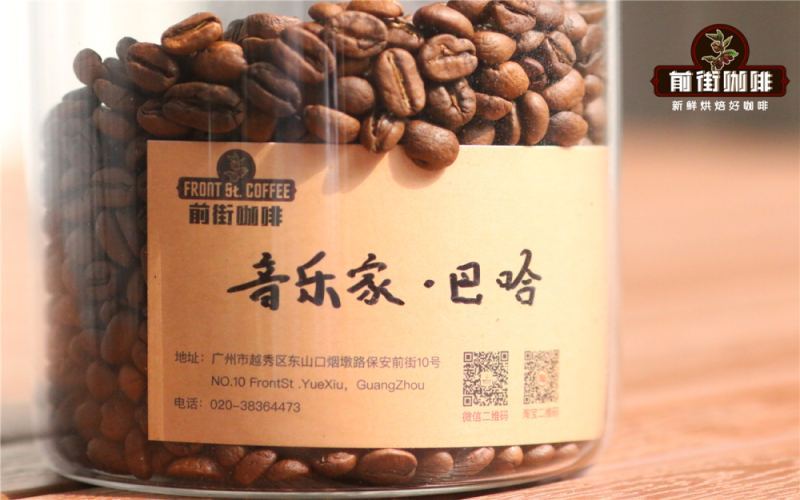
Where in Costa Rica is Front Street Bahia coffee produced? Why does raisin honey processing bring high sweetness?
Front Street Musician Series Bach is a coffee bean from the Tarrazú region of Costa Rica, processed using the raisin honey method, showcasing rich fruity aromas of strawberry, blackberry, and raisin with a wine-like fermented charm. This article will start from the origin information, processing techniques, flavor performance, and products in the same series to analyze the source of sweetness in Bach coffee beans, and introduce the technical characteristics of raisin honey processing, as well as the H1 variety and anaerobic honey processing technique used in the 2020 new crop season of Front Street Mozart. [more…]
Brazil Minas Hill Estate Pulped Natural Coffee Beans: A Full Analysis of Flavor Characteristics, Processing Methods, and Brewing Key Points
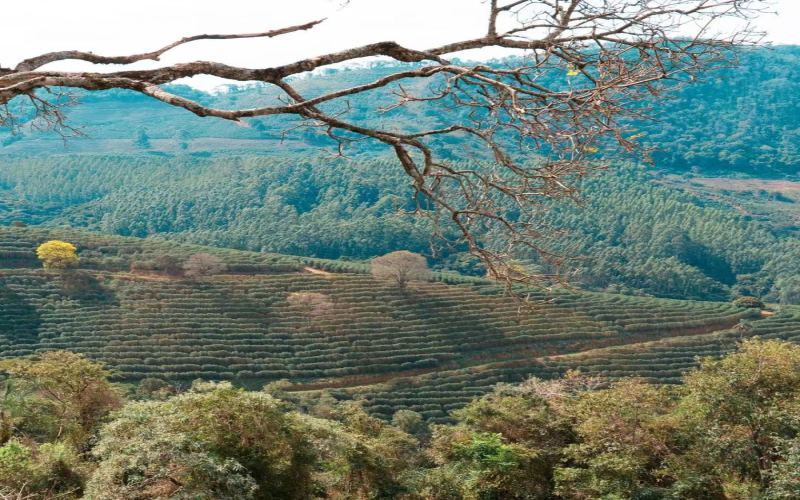
Brazil, as the world's largest coffee producer, is known for its smooth, low-acid coffee with nutty and chocolatey notes. Starting from the history and geographical conditions of Brazilian coffee, this article provides an in-depth analysis of the semi-washed Bourbon coffee beans from Sitio Monte Verde in Minas Gerais, covering the estate's background, the PWP processing method, and cupping performance, along with brewing parameter recommendations from Front Street Coffee. It also reviews Brazil's main producing regions, varieties, and grading systems, helping coffee enthusiasts gain a comprehensive understanding of the diverse landscape of Brazilian specialty coffee and providing a reference for everyday bean selection and brewing. [more…]
A Complete Guide to Brazilian Coffee Regions: Red Bourbon Flavor Characteristics and Brewing Parameters
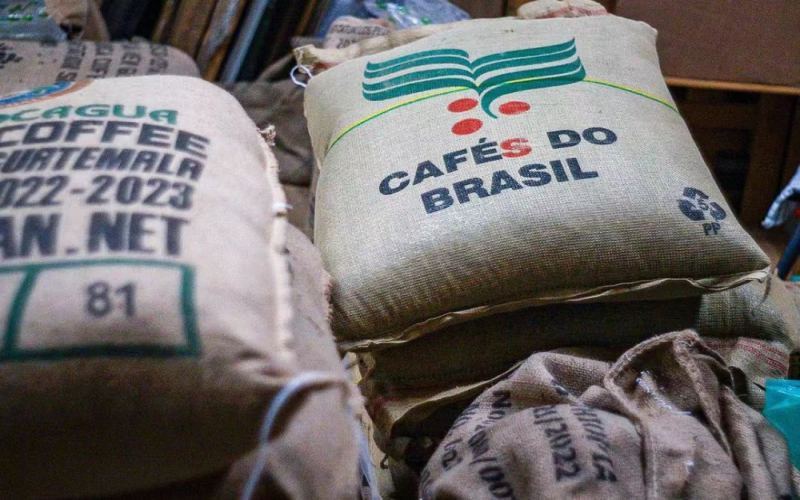
Brazil is the world's largest coffee producer, accounting for about one-third of global output. Despite frost and drought in 2020, its planted scale still ranks first. Brazil has numerous coffee-growing regions, and different terroirs give coffee beans vastly different flavor profiles. This article systematically reviews Brazil's main Arabica-producing regions, covering the growing characteristics and flavor trends of Bahia, Minas Gerais, Cerrado, São Paulo, Paraná, and other areas, and focuses on introducing the flavor characteristics, brewing parameters, and Brazil's official coffee grading system of Front Street Coffee Brazil Cerrado Red Bourbon coffee beans, helping coffee enthusiasts gain a deeper understanding of the origin and quality of the Brazilian coffee in their cup. [more…]
A Complete Guide to the Flavors of Brazil's Specialty Coffee Regions: The Origin Stories of Minas, Cerrado, Mogiana, and the Port of Santos
Brazil is not only the largest country in South America, but also the world's number one producer of coffee beans. This nation, where passion and serenity coexist, produces coffee that carries the rich notes of nuts and chocolate while offering a smooth and mild mouthfeel. A total of 17 states in Brazil produce coffee, with the main growing regions distributed across six states: Bahia, Espírito Santo, Minas Gerais, São Paulo, Paraná, and Rondônia. Among them, Minas Gerais contributes more than half of the country's Arabica coffee beans and is also the core zone for specialty coffee; the Port of Santos in São Paulo state serves as an important gateway for Brazil's coffee exports. On Front Street Coffee's bean list, there are two Brazilian beans—the Red Bourbon from the Cerrado region and the Yellow Bourbon from Queen Mogiana Estate. The former represents the classic Brazilian flavor, while the latter showcases even better sweetness through refined natural processing. [more…]
From Santos Port to Cerrado: A Complete Guide to Brazil's Six Major Coffee Regions and Bourbon Bean Flavors
Brazil is the world's largest coffee producer, with coffee grown in 17 of its 21 states, and its six major producing regions—including Minas Gerais and São Paulo—each possess distinct terroirs. This article guides you through Brazil's coffee landscape: detailing the four sub-regions of Minas Gerais, visiting São Paulo, home to the Port of Santos, and the renowned Mogiana, interpreting the characteristics of regions such as Cerrado, Espírito Santo, Bahia, and Paraná, as well as the splendor of Fazenda Rainha; at the same time comparing the varietal differences between Red Bourbon and Yellow Bourbon, and including Front Street Coffee's medium-dark roast approaches for two Brazilian beans along with a KONO three-pour hand-brewing method, to explore the source of Brazilian beans' smooth mouthfeel. [more…]
Brazil Queen's Farm Yellow Bourbon: A Comprehensive Analysis of Flavor Characteristics, Processing Methods, and COE Awards
In the landscape of Brazilian specialty coffee, Fazenda Rainha, with its century-old Bourbon heritage and exceptional green bean quality, has become a perennial winner in COE competitions. Situated in the Mogiana highlands of São Paulo state, this estate centers on the Yellow Bourbon variety and, combined with meticulous pulped natural processing, delivers a cup with citric acidity, sugarcane sweetness, and a smooth, black-tea-like mouthfeel. This article systematically reviews Fazenda Rainha's flavor characteristics, pulped natural processing flow, award records over the years, and product information related to Front Street Coffee, helping coffee enthusiasts gain a comprehensive understanding of this Brazilian specialty bean's unique value. [more…]
Brazil Cerrado Coffee Bean Flavor Characteristics and Variety Origins: A Full Analysis from Seed Introduction to Grading System
Brazil has held the top spot in global coffee production since the 1960s. Even after a century of droughts and frosts, its total production in 2021 still reached 46.88 million bags. This coffee powerhouse, now so influential, had not a single coffee tree three hundred years ago. How did coffee seeds reach Brazil? And what flavor profile does the Red Bourbon of the Cerrado region offer? This article systematically covers the core knowledge of Brazilian coffee, from historical origins, grading systems, and producing regions to brewing parameters, and introduces the Cerrado Red Bourbon, a representative of Brazil's classic flavors in Front Street Coffee's everyday bean series. [more…]
A Comprehensive Guide to the Brazilian Cerrado Coffee Bean Grading System, Pour-Over Parameters, and Flavor Characteristics
As the world's largest coffee-producing country, Brazil has a coffee bean grading system that is completely different from common systems like Kenya AA or Yirgacheffe G1. What exactly do the markings NY.2 SC-17/18 FC on the burlap sacks represent? Why has the Cerrado region become a classic representative of Brazilian specialty coffee? From the perspective of Front Street, this article traces the historical development of Brazilian coffee, its producing regions, and the logic behind green bean grading, and provides a detailed introduction to the brewing method and flavor profile of the Brazilian Red Bourbon semi-washed beans in Front Street's everyday drinking bean series, offering a systematic understanding of the unique charm of this major South American coffee nation. [more…]
Nicaragua Finca La Tormenta Natural Maragogype: Variety Origins, Growing Region Characteristics, and Pour-Over Flavor Analysis
The Maragogype Natural from Nicaragua's Finca La Tormenta is a giant bean variety that has attracted much attention in the specialty coffee world. Starting from a practical pour-over plan, this article provides specific parameters: 15g of coffee, medium grind, 88-89°C water temperature, 1:15 coffee-to-water ratio, and a 2-minute extraction. It also sorts out the botanical origins of Maragogype—originating from Maragogipe County in Bahia, Brazil, established as a classification in 1870, belonging to an Arabica-derived hybrid, with beans reaching more than three times the size of ordinary coffee beans. The article also introduces the distribution of Nicaragua's four major producing regions, the SHG highest grade of the Segovia region, and the body and fragrance brought by volcanic fertile soil and shade growing, and explains in detail the pineapple, winey, stone fruit, caramel, and roasted nut flavor layers of this natural bean from Finca La Tormenta, as well as Front Street Coffee's roasting and product information. [more…]
Analysis of Brazilian Coffee Bean Varieties and Flavors: Production Region History, Cultivation Stories, and Global Production Status
Brazil is the country with the largest coffee cultivation scale and production volume in the world, supplying nearly 45% of the world's green coffee beans. This article provides a comprehensive overview of the industrial landscape of this major South American coffee country, from the distribution of coffee-producing regions in Brazil, its legendary cultivation history, and the characteristics of its main varieties to its flavor and taste profile. The article also introduces the Brazilian Cerrado Red Bourbon and Queen's Estate Yellow Bourbon selected by Front Street Coffee, along with detailed pour-over parameters and brewing flavor descriptions, making it suitable for enthusiasts who want to gain a deeper understanding of Brazilian coffee. [more…]
Brazil Coffee Region Distribution Guide | Sao Paulo and 16 Other State Origins, Variety Classification, and Pour-Over Parameters Explained
Brazil firmly holds the top spot in global coffee production, supplying nearly 45% of the world's green beans, and its domestic consumption is second only to the United States. This South American giant has 17 coffee-producing states, with just 7 of them accounting for 98% of the nation's output. From the legendary story of Officer Palheta bringing Bourbon seeds back three hundred years ago to Minas becoming the new hope for specialty coffee today, Brazil's coffee landscape has continually evolved. This article systematically outlines the distribution of Brazil's main producing regions, the characteristics of key varieties such as Red Bourbon and Yellow Bourbon, and includes Front Street Coffee's hands-on pour-over parameters and flavor notes for Brazil Cerrado, giving you a comprehensive understanding of this indispensable coffee powerhouse for espresso blends. [more…]
The Origin and Flavor Characteristics of Nicaragua Maragogype Elephant Bean and Front Street Coffee Roasting and Brewing Guide
In the Arabica family, there is a type of bean whose size far exceeds that of its peers, known as the giant elephant bean, with the scientific name Maragogype. It was first discovered in 1870 in Bahia, Brazil, and was later identified as a natural mutation of Typica, with the bean able to reach three times the size of ordinary Arabica. Due to high cultivation costs and difficult harvesting, elephant beans are scarce in yield and are currently mainly distributed in Brazil, Nicaragua, Mexico, Guatemala, and other places. Among them, the elephant beans produced by the Mama Mina estate under the Mierisch family in Nicaragua have outstanding flavor, with aromas of black berries, dark plums, and citrus peel, and a solid, silky mouthfeel. In this article, Front Street Coffee will guide you through the origin of elephant beans, their regional characteristics, sun-dried processing methods, and share specific roasting curves and brewing parameters, and finally compare them with their hybrid offspring Pacamara. [more…]
The Origins of Coffee Cultivation in Brazil and Analysis of Two Major Bourbon Varieties: A Complete Guide to Front Street Coffee's Pour-Over Parameters
Brazil, as the world's champion in both coffee production and exports, has coffee beans with nutty and cocoa flavors that are deeply favored by enthusiasts. From the perspective of Front Street Coffee, this article systematically reviews the three-hundred-year planting history and main producing regions of Brazilian coffee, deeply analyzes the flavor differences between the two major varieties, Red Bourbon and Yellow Bourbon, and provides a detailed introduction to the product information of Front Street Brazil Red Bourbon and Queen's Farm Yellow Bourbon, as well as the unique characteristics of the semi-washed processing method. At the end of the article, the complete pour-over extraction parameters and brewing techniques for Front Street Brazilian coffee beans are attached, helping pour-over enthusiasts stably reproduce a cup of rich and balanced Brazilian coffee at home. [more…]
The Origins and Flavor Characteristics of Nicaragua Maragogype Elephant Bean: A Full Analysis from Variety Origins to Front Street Coffee Brewing
In the Arabica family, there is a member with an exceptionally prominent physique—the Maragogype, whose beans can be up to three times larger than ordinary Arabica. It was first discovered in 1870 in Bahia, Brazil, and later recognized as a natural mutation of Typica. Due to high cultivation costs and management difficulties, the Maragogype's distribution worldwide is quite limited, and Nicaragua's Mama Mina estate is one of the standout producing regions. In this article, Front Street Coffee will guide you through the Maragogype's origin story, variety characteristics, natural processing methods, along with detailed roasting curves and brewing parameters, and finally discuss its connection to Pacamara, giving you a comprehensive understanding of this giant coffee bean's unique charm. [more…]
A Complete Guide to Brazilian Coffee Flavors: From Cerrado and Mogiana Regions to the Right Way to Enjoy Red and Yellow Bourbon
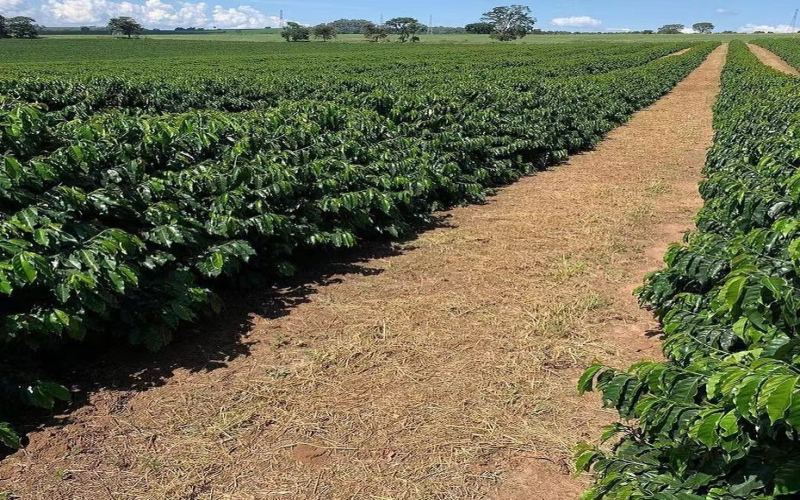
Brazil is the world's largest coffee producer, and coffee holds a status in this South American country akin to the significance of tea in the hearts of Chinese people. Although Brazilian single-origin beans are less common on the market than espresso blends, their balanced, low-acid profile with distinct nutty and chocolate notes makes them an ideal choice for many coffee lovers who dislike sour or bitter flavors. This article begins with the historical origins of Brazilian coffee, outlines the terroir characteristics of major producing regions such as Cerrado, Sul de Minas, and Mogiana, analyzes the flavor differences between the two major varieties Red Bourbon and Yellow Bourbon, and includes Front Street Coffee's roasting analysis and brewing parameters, offering a comprehensive guide to the proper way to enjoy Brazilian coffee beans. [more…]
A Complete Analysis of Brazilian Coffee Flavor Characteristics, Major Producing Regions, and Variety Grading: From Bourbon to Pulped Natural Processing
Brazil is one of the top three coffee-producing and exporting countries in the world. Its coffee is known for a balanced, smooth profile with nutty and chocolatey notes. Although it is not as distinctive as Indonesian Mandheling or Ethiopian Yirgacheffe, it represents a cup of "authentic coffee." From the perspective of Front Street Coffee, this article systematically reviews Brazil's main coffee varieties (Bourbon, Mundo Novo, Catuai), four core producing regions (Minas Gerais, Sao Paulo, Bahia, Espirito Santo), its unique pulped natural processing method, and the rise of specialty coffees such as Queen's Farm. It also analyzes how Brazil's flat terrain affects flavor and compares it with high-altitude Colombian coffee. Whether you are a coffee enthusiast or a professional in the industry, you can gain an understanding of the underlying logic and quality potential of Brazilian coffee. [more…]